Access problems and stairway jobs for Hackney gardeners
Hackney gardens can be brilliant, but they are not always straightforward. Narrow side passages, basement steps, shared entrances, steep stairways, awkward rear access and a few too many bins in the way can turn a simple tidy-up into a careful bit of planning. That is exactly why access problems and stairway jobs for Hackney gardeners need a different approach from a standard ground-level garden visit.
Whether you are dealing with a terrace off a busy street, a flat with only stair access, or a garden that seems to have been designed by someone who hated wheelbarrows, the job can still be done well. The trick is understanding the route in, the route out, and what needs protecting along the way. In this guide, we will look at how access challenges affect garden work, how experienced gardeners deal with them, what to watch out for, and when it makes sense to bring in a team that is set up for tricky sites. It sounds simple. It often is not. But with the right plan, it becomes manageable.
Table of Contents
- Why Access problems and stairway jobs for Hackney gardeners Matters
- How Access problems and stairway jobs for Hackney gardeners Works
- Key Benefits and Practical Advantages
- Who This Is For and When It Makes Sense
- Step-by-Step Guidance
- Expert Tips for Better Results
- Common Mistakes to Avoid
- Tools, Resources and Recommendations
- Law, Compliance, Standards, or Best Practice
- Options, Methods, or Comparison Table
- Case Study or Real-World Example
- Practical Checklist
- Conclusion
- Frequently Asked Questions
Why Access problems and stairway jobs for Hackney gardeners Matters
Access is not just a convenience issue. It affects safety, efficiency, the quality of the finish, and sometimes whether a job is even practical on the day. In Hackney, many homes sit on compact plots or in converted buildings where the garden is reached through the house, down external steps, through shared hallways, or around tight side returns. That changes everything.
If a gardener can only carry materials in small loads, the job may take longer. If there are steep steps, heavy bags of soil or cuttings may need to be split into manageable amounts. If the route is narrow, large tools may need to be swapped for hand tools. None of this is a disaster, but it does mean the garden work needs to be planned rather than rushed.
There is also the human side. You do not want muddy footprints on hall carpets, scratched bannisters, or a pile of green waste blocking the stairs by 4pm. Let's face it, nobody enjoys that conversation. Good access planning helps avoid awkwardness and keeps the whole visit calm and professional.
From a business point of view, clear access planning helps gardeners estimate labour, choose the right equipment, and decide whether a garden clearance, hedge trimming, lawn work, landscaping, or tree lopping task will need extra hands. If you want a broader view of the kinds of work that may be affected by site access, the services overview is a useful place to start. It helps connect the practical dots.
Expert summary: tricky access does not make garden work impossible; it just means the job should be scoped properly, priced honestly, and carried out with a plan that suits the property rather than fighting against it.
How Access problems and stairway jobs for Hackney gardeners Works
In real terms, access work starts before a spade leaves the van. A gardener usually needs to understand how people, tools, waste, and materials will move through the property. That sounds basic, but it is where most delays happen.
A typical access assessment looks at four things:
- Entry route: front door, side gate, rear passage, shared hallway, basement steps, or stair-only access.
- Load handling: how bulky tools, cuttings, soil, timber, or waste bags will be carried.
- Protection: how floors, walls, bannisters, and door frames will be protected.
- Working space: whether the garden itself has enough room for cutting, stacking, bagging, or loading waste.
Stairway jobs usually need even more care. If the only route to the garden is up and down stairs, the gardener may need to break the work into smaller parts, use lighter containers, and keep the stairwell clear at all times. That means more trips, yes, but fewer mistakes. And fewer bruised shins. Which is always nice.
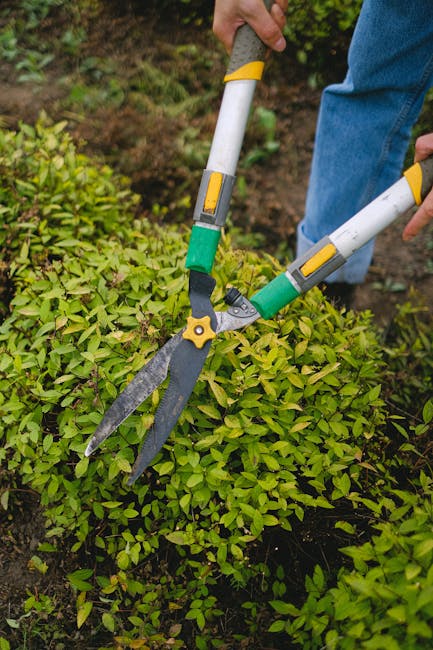
For hedge cutting, for example, long trimmings can be awkward on stairs because they snag, shed, and twist. For clearance work, bulky waste needs to be bundled in a way that can be carried safely. For garden maintenance, repeated visits may be easier than trying to do too much in one session. If access is especially tight, combining maintenance with selective tasks like lawn mowing or hedge trimming can be smarter than a big one-off visit.
The best operators will also think about timing. A weekday morning might be easier for moving materials through shared entrances than a busy evening when neighbours are coming and going. That sort of detail can make the day feel smooth rather than chaotic. And smooth is what you want.
Key Benefits and Practical Advantages
Once access is handled properly, the benefits are obvious. The work becomes safer, quicker in the long run, and much less stressful for everyone involved.
- Better safety: fewer trips, fewer slips, and less strain from carrying awkward loads.
- Cleaner finish: protected floors and walls mean less mess inside the property.
- More accurate pricing: the gardener can quote based on the real conditions, not guesses.
- Faster decision-making: the right tools can be chosen from the start.
- Less disruption: neighbours, tenants, and household members are less likely to be disturbed.
There is also a quality benefit that people sometimes miss. If a gardener knows access is limited, they will often adapt the method to suit the site. That might mean using hand-pruners instead of larger cutting gear, bringing smaller sacks for arisings, or planning a phased clearance. It is not glamorous, but it works.
In many Hackney properties, access issues overlap with other services too. A garden that is hard to reach is often also harder to clear, improve, or reshape. That is why jobs such as garden clearance, garden maintenance, and landscaping often need a practical access conversation before work starts. Small detail, big difference.
Who This Is For and When It Makes Sense
This topic matters to a fairly wide group of people, not just one type of homeowner. If any of the following sounds familiar, you are probably dealing with it already.
- Homeowners with rear gardens reached through narrow side access or internal stairs.
- Landlords and managing agents arranging work in converted flats or maisonettes.
- Tenants who need to understand what kind of access is reasonable for a garden visit.
- Busy households that need the work done efficiently with minimum disruption.
- People planning bigger projects that involve waste removal, reshaping, or decking preparation.
It makes sense whenever the access route is unusual enough that the work could take longer, cost more, or require special handling. A small pruning job on a rooftop terrace may be easier than a heavy clearance job down three flights of stairs. Or the other way round. It depends on the site, not the postcode alone.
If you are unsure whether the garden needs a simple tidy, a more involved clearance, or a broader redesign, it can help to compare it against other site conditions first. For example, access issues often sit alongside requests for landscape gardening or even decking services where materials and tools are physically harder to move.
Truth be told, the moment someone says "you'll have to come through the flat and down the stairs," a good gardener starts thinking three steps ahead. That is not pessimism. That is experience.
Step-by-Step Guidance
If you are planning garden work with access problems or stairway constraints, the easiest way to keep things under control is to break the process down.
- Map the route. Check how the gardener will enter, where they will put tools, and how waste will leave the property.
- Measure the awkward bits. Narrow gates, stair widths, door swings, low ceilings, and tight corners can all matter.
- Describe the task clearly. Say whether it is light maintenance, hedge cutting, clearance, planting, turf work, or a mixed job.
- Flag hazards early. Tell the gardener about loose handrails, slippery steps, low lighting, pet access, shared entrances, or fragile interiors.
- Choose the right method. Smaller loads, phased removal, hand tools, or more labour may be more suitable than one big push.
- Protect the route. Use dust sheets, door guards, or temporary floor protection where needed.
- Agree waste handling. Decide where bags will be placed, who will move them, and whether a return visit is needed.
- Review the result. Once the work is done, check the route was left clean and the garden is finished to the agreed standard.
A small but useful habit: take a quick photo of the access route before the visit. It saves a lot of back-and-forth if the garden is in a tucked-away basement or at the end of a shared passage. No drama, just clarity.
If the job involves larger quantities of cuttings or mixed waste, a gardener may suggest combining it with a garden clearance plan rather than treating it as a standard maintenance visit. That can help with waste handling and time management. Not always, but often enough.
Expert Tips for Better Results
Experienced gardeners tend to do a few things almost automatically on access-heavy jobs. These are the habits that save time and reduce friction.
- Keep tools compact. Smaller tools are often easier to move through tight interiors and stairwells.
- Use more, lighter loads. It is usually safer than carrying one overfilled bag.
- Protect turning points. Corners and bannisters get knocked more often than people expect.
- Work from the garden inward. This helps avoid dragging mess back through the property.
- Separate clean materials from waste. It sounds obvious, but mixed loads on stairs are a mess waiting to happen.
- Schedule around building traffic. Shared entrances are calmer at some times than others.
Also, communicate the obvious stuff. If the gate sticks, say so. If the basement light is weak, mention it. If there is a cat that bolts at the sound of a wheelbarrow, that matters too. It all matters.
One practical tip that gets overlooked is sequencing. For example, if hedge trimmings are likely to fall onto a narrow path, it can be better to trim in sections and clear as you go rather than leaving the lot for the end. That makes stairway movement less awkward and keeps the route usable.
And yes, sometimes the fastest way is not the fastest way. Slightly annoying, but true.
Common Mistakes to Avoid
Access problems become expensive when they are ignored. Most mistakes are avoidable if you know what to watch for.
- Underestimating the route: assuming "it'll be fine" when the stairs are actually narrow, steep, or badly lit.
- Not mentioning shared access: neighbours, building managers, and other residents can be affected.
- Forgetting waste exit plans: carrying cuttings in is one thing; getting them out safely is another.
- Using the wrong tools: oversized equipment can be more of a hindrance than a help.
- Skipping protection: floors and railings can suffer more damage than the garden if care is not taken.
- Trying to do too much in one go: stairway jobs often work better in stages.
A classic one is leaving a pile of cuttings in the stairwell "just for a minute." Everyone says it. Everyone regrets it. That minute has a habit of becoming a trip hazard and a very awkward conversation.
Another common error is not checking what type of work is being requested. A simple mow may be straightforward, while a mixed job involving overgrowth, waste removal, and tidying up around a back route is a different beast entirely. If the garden needs a more structural refresh, it may be worth looking at landscape gardening rather than treating everything as a routine cut-and-collect visit.
Tools, Resources and Recommendations
You do not need specialist jargon to understand the basic kit used for tricky access jobs. The most useful tools are often the simplest ones, chosen well.
| Access challenge | Practical tool or method | Why it helps |
|---|---|---|
| Narrow stairwell | Smaller waste bags, compact hand tools | Easier to carry safely and less likely to snag |
| Shared hallway | Floor protection, careful staging | Reduces mess and protects surfaces |
| Long route to garden | Pre-planned loading points | Prevents repeated backtracking |
| Heavy cuttings | Sectional clearance, lighter loads | Limits strain and keeps movement safer |
| Mixed garden work | Task sequencing and labelled bags | Helps keep jobs organised and efficient |
In practice, a good gardener may also recommend combining work types so access is dealt with once, not three times. For instance, if a garden needs tidy-up, mowing, and hedge work, bundling it into one visit can reduce repeated stairway traffic. That is especially useful in smaller Hackney homes where every metre counts.
When waste is part of the job, it is worth asking how it will be handled. The answer might involve segregation, phased removal, or linking the work with recycling and sustainability practices so that green waste is managed sensibly. You do not need a lecture. Just a clear plan.
For customers who want to understand how a contractor handles site conduct, look at their health and safety policy, insurance and safety approach, and accessibility statement. Those pages are not just formalities; they help you judge whether the team takes access seriously.
Law, Compliance, Standards, or Best Practice
Access-heavy garden work can touch on safety, liability, and general property care, so a sensible approach matters. It is not about drowning the job in paperwork. It is about making sure people, property, and working conditions are respected.
In the UK, good practice usually means taking reasonable steps to prevent injury, avoid damage, and keep routes clear. For shared buildings, there may also be building rules or management expectations about when work can take place, where materials can be stored, and how common areas are used. Those details vary, so they should be checked locally rather than assumed. Hackney properties can be a bit of a patchwork in this regard, to be fair.
From a best-practice perspective, the following are worth expecting:
- Clear communication before the visit.
- Risk-aware handling of stairs, wet surfaces, and tight corners.
- Suitable insurance cover for the type of work being done.
- Careful waste handling and tidy exit routes.
- Respect for neighbours, tenants, and shared spaces.
For anyone booking a contractor, it is also sensible to check the terms and conditions so you understand what is included, what might change if access is more difficult than expected, and how extra time or labour is handled. That transparency protects both sides.
One more thing: if access is poor enough that the job feels unsafe, it should be paused and reassessed. A professional gardener will usually prefer that over pushing through and hoping for the best. Hope is not a method.
Options, Methods, or Comparison Table
Different access problems call for different approaches. There is rarely one perfect answer, which is why a comparison helps.
| Method | Best for | Strengths | Limitations |
|---|---|---|---|
| Standard one-visit job | Simple access and light garden work | Quick, efficient, easy to schedule | May not suit narrow stairs or heavy waste |
| Phased visit plan | Mixed or bulky jobs with awkward access | Safer handling, less disruption | May take longer overall |
| Compact-tool approach | Indoor routes, small passages, flats | Reduces risk of damage | Slower on large-scale clearance |
| Combined service booking | Several tasks on the same site | Better value and fewer repeated access trips | Requires good planning and clear scope |
For many Hackney households, the combined service option is the sweet spot. If the garden needs mowing, a hedge tidy, and some general clearance, doing it all in one coordinated visit is often cleaner and less stressful than booking separate jobs. It is not always the cheapest on paper, but it can be the best value in practice.
If the property also needs more structural changes, such as a refreshed layout or hard landscaping work, then it may be worth comparing the likely access impact before choosing between a maintenance visit and a wider landscaping plan.
Case Study or Real-World Example
Picture a typical Hackney maisonette: front door at street level, garden behind the building, and the only way through is a narrow hallway and a short but steep staircase. The rear garden is overgrown, the lawn has gone patchy, and the hedge along one side is leaning into the path. Nothing dramatic. Just a bit much.
Instead of trying to force everything through in one go, the gardener breaks the work into stages. First, the entrance route is protected with floor covering. Next, the garden is cleared in smaller sections so cuttings can be bagged and moved out safely. The hedge is trimmed in a way that keeps the stairwell clear, and the lawn work happens after the heavier debris is gone. By the end, the hallway is clean, the stairway is untouched, and the garden looks properly finished rather than half-done.
That sort of job is rarely about heroics. It is about rhythm. A bit of planning, a bit of patience, and the willingness to do the awkward part first. You can hear the difference in how the job feels too-less banging, less rushing, fewer frustrated pauses. Just a steady, workable process.
In that kind of setting, a maintenance visit and a clearance visit are often both useful, and the final result usually depends more on planning than on force. It is a decent reminder that small spaces can still be improved beautifully.
Practical Checklist
Use this quick checklist before arranging a job with tricky access or stairs.
- Have I described every access route clearly?
- Do the gardener and customer both know where tools will be stored?
- Are the stairs, hallways, and doorways safe and clear?
- Have I mentioned any shared entrances or neighbours who may be affected?
- Is there a plan for protecting floors, walls, and bannisters?
- Will waste be removed in a safe and manageable way?
- Has the scope of work been explained properly?
- Do I know whether the job is a maintenance task, clearance task, or something more involved?
- Have I checked relevant policies such as insurance, safety, and terms?
- Is the timing sensible for the building and the people using it?
Quick takeaway: if the route is tight, the work should be tight too-well planned, well packed, and never rushed. That is usually the difference between a stressful visit and a decent one.
Conclusion
Access problems and stairway jobs for Hackney gardeners are not unusual. They are part of working in a dense, varied part of London where homes, gardens, and shared spaces often overlap in awkward ways. The good news is that these jobs can still be handled neatly when the route, tools, timing, and waste plan are thought through properly.
Whether you are arranging a small tidy-up or a more involved clearance, the best results come from honest communication and a practical approach. That is especially true when stairs are involved. The right gardener will adapt to the property rather than fighting it, and that usually leads to better finishes, safer movement, and less stress all round.
If you are comparing options, looking at service details, or trying to understand what your garden needs next, the safest move is to start with clear information and then build from there. Small spaces can still work beautifully. Sometimes they just need a bit of patience and a steady hand.
Get a free quote today and see how much you can save.
And if the path to the garden feels a little awkward right now, that is fine. Most good jobs begin with awkward access and end with a space that feels calm again.
Frequently Asked Questions
What counts as an access problem for a Hackney garden job?
Anything that makes entry, movement, or waste removal slower or riskier than usual can count as an access problem. That includes narrow side passages, steep stairs, shared hallways, basement entrances, tight turns, and awkward internal routes through flats or maisonettes.
Can gardeners still work if the only access is up and down stairs?
Yes, often they can. The job usually just needs more careful planning, smaller loads, and better protection for internal surfaces. Some tasks are straightforward enough; others may need to be split into stages.
Will tricky access make garden work more expensive?
It can, because extra time, extra labour, and more careful handling may be needed. That said, pricing should still be based on the actual job and access route, not just a vague assumption. Clear information upfront usually helps keep costs fair.
What should I tell a gardener before they visit?
Tell them about the route to the garden, any stairs, narrow doors, shared spaces, broken lighting, parking concerns, pets, and the type of work you want done. The more practical detail you give, the smoother the visit will be.
Do I need to protect floors and walls inside the property?
If tools, waste, or muddy boots will pass through the home, then yes, protection is a sensible idea. Dust sheets, floor coverings, and careful movement help reduce the chance of damage. It is one of those simple things that saves hassle later.
Is stairway access a problem for garden clearance jobs?
It can be, especially when there is a lot of cut material or bulky waste. Clearance jobs often need more loading and unloading, so stair access can make the work slower. Smaller bags and phased removal usually help.
What is the safest way to move hedge cuttings through a staircase?
Keep loads light, bundle the material neatly, and avoid overfilling bags. Long trimmings should be cut down if needed so they do not snag on bannisters or corners. A clean route and steady pace make a big difference.
Can access problems affect the type of equipment used?
Absolutely. Large machines may not be practical in tight properties, so gardeners may use more compact tools and hand equipment instead. That change is normal and often makes the job safer and tidier.
Should I book one bigger visit or several smaller ones?
If access is awkward and the garden work is substantial, several smaller visits can be easier and safer. For simpler jobs, one visit may still be best. The right answer depends on the site, the amount of waste, and the time available.
What if my building has shared access rules?
Then those rules should be taken seriously. Shared entrances, hallways, and stairwells often have their own expectations about noise, timing, and storage. It is sensible to check them before the job begins so no one gets caught out.
How do I know whether a gardener is taking access seriously?
They should ask clear questions, explain how they will protect the route, and give you a sensible plan for moving tools and waste. A contractor who rushes past access details is usually not giving the job enough thought.
Where can I look for more information about the way a company works?
Useful starting points are pages such as about us, insurance and safety, and pricing and quotes. These help you understand how the company handles service, safety, and expectations before you book.