Hedge Trimming in Hackney

Hedge trimming in Hackney helps keep boundary planting neat, manageable and suited to the space it occupies. Our work focuses on shaping growth cleanly, reducing overextended sections and restoring a tidier outline without taking away the natural character of the hedge. Whether the plants are forming a front boundary, screening a garden, or softening the edge of a larger outdoor area, the aim is the same: a healthier, more even finish that supports continued growth.
We handle routine hedge cutting and more considered reduction work where a hedge has become untidy, dense or too tall for comfortable upkeep. Different hedges need different treatment, so we assess the type of growth and the desired shape before any trimming begins. Careful trimming matters because a hedge that is cut too hard, too late or in the wrong places can lose its form. We aim for a measured approach that suits the plant and the setting.
Regular hedge maintenance also makes a practical difference to light, access and the appearance of the wider garden. If you want a cleaner line, a better height or a more balanced profile, our hedge trimming service can be tailored to that aim. You can request a quotation once you know the hedge size, the rough height and how much reshaping is needed, and we can talk through the most suitable approach.
Shaping and Routine Hedge Cutting
Routine hedge cutting is often the simplest way to keep growth under control. Many hedges respond best to regular light trimming rather than infrequent heavy reduction, especially when the goal is to keep a crisp outline and avoid cutting back into old wood. We can work with formal, straight-edged hedges as well as softer garden screening, keeping the finish appropriate to the plant and the space around it.
Where shape is the main concern, the work may involve straightening the sides, levelling the top, easing bulges and bringing the hedge back into proportion with paths, fences or adjoining planting. A well-trimmed hedge does not need to look rigid; it simply needs a clean profile and healthy growth points left in the right places. If you are comparing options, our services overview gives a clear starting point for the wider work we offer.
In many cases, the customer decision is less about dramatic change and more about consistency. A hedge can be kept compact enough for a tidy frontage, or allowed to remain fuller where privacy is important. The most suitable finish depends on the plant species, current condition and desired appearance. If you already know the hedge needs standard maintenance rather than a full reduction, please ask for a quote and describe the current size and access.
Reducing Height and Bringing Back Control
Some hedges need more than a seasonal trim. When growth has become too tall, too wide or uneven after a missed cycle of care, reduction work may be the better option. That can mean lowering the top, easing the depth from the sides or gradually improving the shape over more than one visit where a hedge has been neglected. We work carefully to avoid removing more than the plant can sensibly handle in one go.
Height reduction is especially useful where a hedge is beginning to overshadow a garden, interfere with views or become difficult to reach safely from the ground. The right method depends on the hedge type and the level of overgrowth. Some plants tolerate reduction well; others need a slower, more selective approach. For broader property work that may sit alongside hedge care, garden maintenance can be a useful option to review.
It also helps to think about the long-term finish before the first cut is made. A hedge that is being brought down in stages needs a clear target height and a sensible plan for regrowth. We can work to restore a manageable line without turning a healthy hedge into a harshly cut barrier. If you are unsure what is realistic, the safest starting point is to send the hedge details and request a quotation.
Species, Growth Patterns and Finishing Methods
Different hedges ask for different handling, and that is one reason a simple one-size approach is rarely ideal. Evergreen hedges often need regular attention to keep their faces dense and even, while faster-growing mixed planting may need more frequent correction. The finish can also vary depending on whether the hedge is decorative, functional or intended mainly for screening. A careful trim respects those differences.
Finishing methods are chosen to suit the growth habit. Some hedges benefit from a square, formal profile with clearly defined edges, while others look better with a softer taper that lets light reach the lower growth. Where the hedge sits beside a drive, path or entrance, a clean line may be more important than visual softness. For properties that need wider outdoor improvements, landscape gardening may sit naturally alongside hedge work.
Good hedge cutting is not just about removing excess foliage. It is also about preserving the hedge’s structure so it remains responsive to later maintenance. We take account of visible gaps, heavy stems, uneven sections and the hedge’s overall balance before deciding how much to remove. If you want to discuss a hedge that has several issues at once, such as height, spread and a patchy face, please request a quotation and outline the main concerns.
Access, Boundaries and Garden Neatening

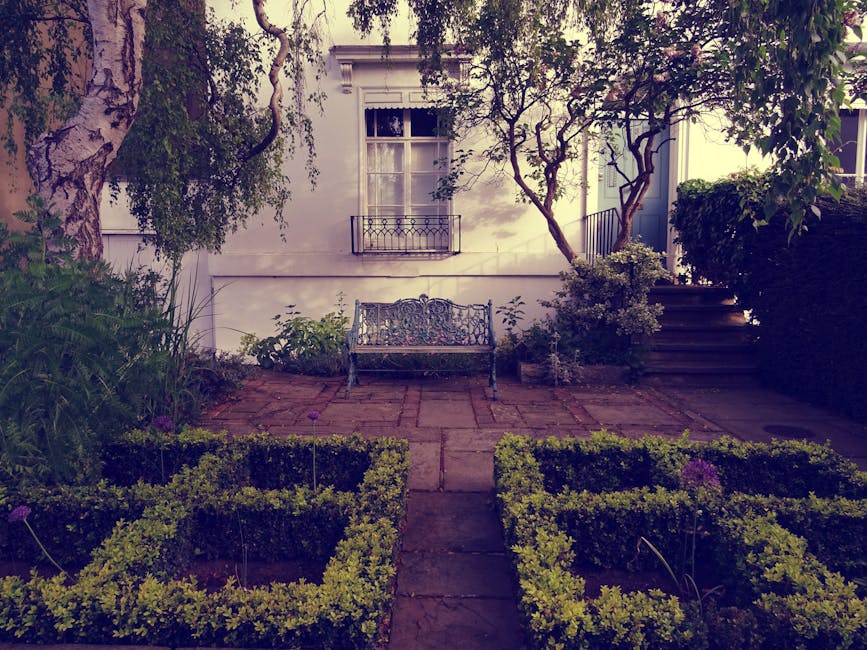
Hedge trimming often has practical consequences beyond the hedge itself. Tidy boundaries can make a garden feel more open, reduce encroachment on paths and create clearer edges between lawn, planting beds and fence lines. In front gardens, boundary hedges also help define the setting of the property, so a neat finish can make the whole frontage look more intentional. The work is often best approached as part of the wider garden layout rather than in isolation.
Access is an important consideration, especially where hedges run close to walls, tight side passages or shared boundaries. Before trimming begins, it helps to know whether there is straightforward ground access, whether any section is awkward to reach and whether the hedge borders a lawn, paving or planted area that needs care during the work. If general clearance is also needed, garden clearance can be relevant for overgrown spaces that need a fuller reset.
For many customers, the useful decision is whether the hedge only needs tidying or whether it is also affecting the usability of the garden. A hedge that leans out over a path, sheds growth into a small area or crowds nearby planting may need a more considered trim. In those cases, it can help to request a quotation with a short description of the hedge’s position, approximate length and current condition.
How We Approach Hedge Work
Our hedge trimming work begins with the hedge itself: its shape, density, height and how the current growth has developed. We then decide whether a light tidy, a fuller reshaping or a staged reduction is the most sensible option. That approach keeps the work focused on the hedge’s needs rather than forcing a uniform result. It also helps avoid unnecessary cutting where a lighter touch will do.
- regular maintenance trims for tidy seasonal control
- reshaping for hedges that have drifted out of line
- height and width reduction where growth has become excessive
- careful finishing to keep the hedge balanced and presentable
Where the hedge borders a lawn or planted border, we work with the setting in mind so that the finish feels neat from more than one angle. If the hedge forms part of a larger outdoor scheme, it may also be worth looking at landscaping for improvements that complement the trimmed boundary. To move forward, a simple description of the hedge and the desired result is usually enough to ask for a quote.
About Hackney
Hackney in East London is a large and varied area with a long urban history and a strong mix of residential, cultural and industrial layers. It takes its name from the historic parish and later metropolitan borough, and today the London Borough of Hackney covers places including Hackney Central, Dalston, Stoke Newington, Clapton and Shoreditch’s eastern edge. The district is known for its dense street pattern, terrace housing, post-war estates and a steady mix of older buildings and newer development. Much of the area was shaped by nineteenth-century expansion, when railways, industry and housing growth transformed open land into one of inner London’s more built-up districts. Parts of Hackney still show that layered story through conservation areas, warehouses converted to other uses and Victorian streets lined with narrow-fronted homes. The area also includes green spaces such as London Fields, Victoria Park on its boundary, Hackney Downs and Clissold Park nearby, giving the borough a mix of urban density and open relief. Canals and waterways are part of the local character too, especially the Regent’s Canal and the River Lea to the east, which have played a role in movement, trade and later regeneration. Cultural life in Hackney is wide ranging, with theatres, music venues, galleries, independent shops and markets contributing to a busy public scene. The borough has also become known for creative industries, food businesses and a strong street-level mix of uses that sit alongside housing. That combination of history, architecture, public space and changing neighbourhood identity gives Hackney a distinctive place within inner London.
Maintaining Tidy Boundaries Through the Seasons

Seasonal maintenance helps keep hedges in good condition without letting them get out of hand. Many boundaries respond best when trimmed regularly enough to hold their line, while softer and more informal hedges can be allowed a little more freedom before being brought back into shape. The right timing depends on the hedge type, the required finish and how much growth has appeared since the last cut. A consistent pattern is usually more effective than occasional heavy work.
Some customers want hedges kept especially neat around entrances, driveways or front gardens, while others prefer a more natural outline in private spaces. The trimming style can reflect that difference. A formal hedge usually needs sharper edges and a more exact profile, while a screening hedge may only need the top and sides controlled so it remains full. For wider outdoor upkeep, lawn mowing can support the same neat appearance around the hedge line.
It is also sensible to think about how the hedge will look after the cut has settled. Fresh trimming can reveal uneven growth, thicker stems or sections that need a more careful follow-up later on. That is normal with established hedges and part of keeping them manageable over time. If you would like a straightforward assessment, you can request a quotation and explain whether you are after routine trimming or a more noticeable tidy-up.
Keeping the Work Practical and Well Planned
Good hedge trimming depends on planning as much as cutting. Before work begins, it helps to know the hedge length, approximate height, whether it is one side or both sides that need attention and how much reduction is being considered. This allows the trimming to be matched to the hedge’s current condition and the result you want. Where the hedge is part of a broader project, timing it alongside other garden tasks can make the whole job more efficient.
There are a few pieces of information that are especially useful when you are preparing an enquiry:
- the hedge type, if you know it
- rough measurements or a clear visual description
- how much of the hedge needs trimming
- any access points, narrow sides or boundary concerns
Once those basics are clear, the quotation conversation is usually much easier. You can ask for a quote when the hedge is due for a routine cut, when it has grown beyond its preferred line or when you want to restore order before other garden work starts. The best result comes from matching the trim to the hedge’s condition rather than treating every hedge the same.
Further Options for Tidy Outdoor Spaces

Hedge trimming often forms part of a wider approach to keeping outdoor spaces looking controlled and usable. Some customers want a single hedge brought back into shape, while others need several garden elements handled together so the boundary, planting and open areas all feel coherent. Where the work extends beyond the hedge line, it can be sensible to think about connected services that support a consistent finish across the property.
Useful related work may include hedge trimming itself as a dedicated service area, along with pricing and quotes for customers who want to understand how enquiries are handled. If the garden also needs reshaping or a broader update, landscaping and garden maintenance can help keep the wider outdoor space in step with a freshly cut hedge. These pages are a practical next stop when you want to compare the main options before making a decision.
If you are ready to discuss hedge work in Hackney, please request a quotation with a short description of the hedge and the finish you want. That is usually enough to start the conversation and decide whether the job is a routine trim, a reshaping project or a more measured reduction.