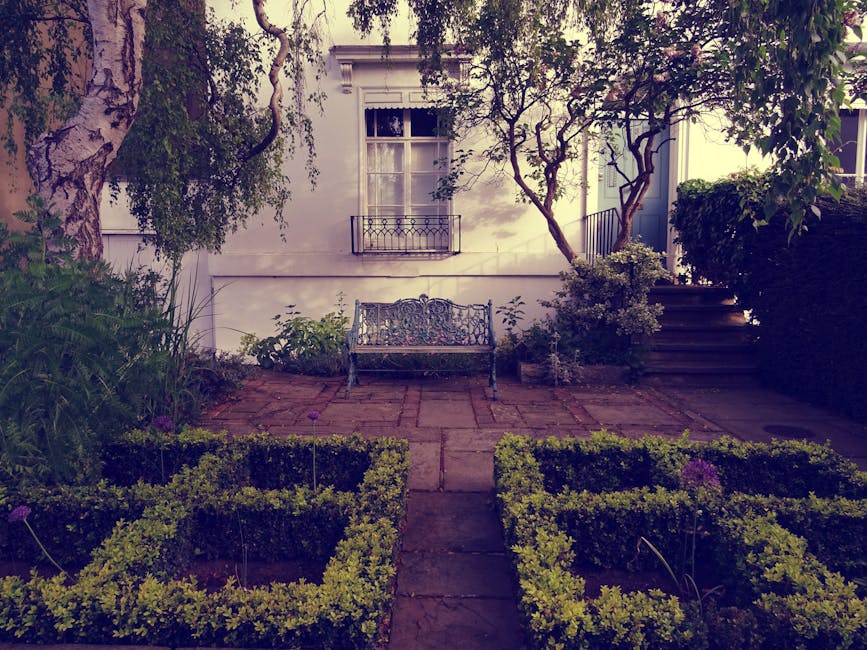
London Fields gardeners guide for small city gardens
Small gardens in London Fields can be brilliant. They can also feel a bit awkward at first: narrow, shaded, overlooked, windy in the wrong corner, and somehow always one plant short of feeling finished. If that sounds familiar, you're in the right place. This London Fields gardeners guide for small city gardens is written for real back yards, compact front plots, balcony-adjacent spaces, and those in-between patches that need smart planning more than brute force.
The good news? A small city garden has advantages too. You can maintain it properly without spending every weekend on it, you can make it look calm rather than cluttered, and you can create a space that feels personal in a way bigger gardens sometimes do not. Truth be told, the best small gardens often come from good judgement, not big budgets.
In this guide, you'll find practical steps, planting ideas, layout choices, common mistakes, and a few grounded tips from the sort of work gardeners in London actually do day to day. If you want to compare help options while you read, you may also find the main London gardeners service page useful, along with the local areas we cover and the about us page for a bit more background on how the service works.
Table of Contents
- Why this matters for small city gardens
- How the approach works in London Fields
- Key benefits and practical advantages
- Who this is for and when it makes sense
- Step-by-step guidance
- Expert tips for better results
- Common mistakes to avoid
- Tools, resources and recommendations
- Law, compliance, standards and best practice
- Options, methods and comparison table
- Case study or real-world example
- Practical checklist
- Conclusion
- Frequently asked questions
Why London Fields gardeners guide for small city gardens Matters
Small urban gardens need more than a quick tidy-up. They need a plan that respects how city spaces actually behave. In London Fields, that usually means working with a mix of shade from neighbouring buildings, pockets of sun that move through the day, and boundaries that make every square metre count. A garden that looks fine in spring can become frustrating by midsummer if drainage is poor, planting is too dense, or the space has no clear purpose.
This is where a thoughtful approach pays off. A small garden should not try to copy a country plot. It needs to be edited, not crowded. That means choosing a smaller number of plants with stronger impact, using vertical space well, and making sure the garden still feels easy to move through. If you've ever walked into a tiny garden and thought, "why does this feel smaller than it is?", that's usually a design problem, not a size problem.
There's also a practical side. London gardens are often used hard. Pets, bikes, bins, children, entertaining, drying washing, and general daily life all squeeze into the same patch. A good small-garden plan keeps the space usable without making it look too functional or bare. That balance matters. It really does.
For readers looking into broader garden care support, the garden maintenance service details can help you understand how ongoing upkeep is typically handled, while the grass cutting service is relevant if your small garden includes a lawn or lawn-like area that needs regular control rather than occasional attention.
Expert summary: Small city gardens work best when every element has a job: a visual job, a practical job, or both. If it doesn't earn its place, it usually just takes up space.
How London Fields gardeners guide for small city gardens Works
The basic method is straightforward, though the details matter. First, you assess the space honestly. Not as you wish it were, but as it is. Where does the sun really land? Which corners stay damp? What do you see from inside the house? Where do people naturally walk? These questions shape everything from planting choice to path position.
Next comes zoning. Even a tiny garden can usually be split into simple areas: somewhere to sit, somewhere to plant, and somewhere to store or move through. You do not need walls or complicated features. Sometimes a change in material, a small raised bed, or a pot grouping is enough. The point is to make the space feel intentional rather than accidental.
Then there is plant selection. Small gardens in London Fields usually benefit from plants that are resilient, well-behaved, and attractive across more than one season. Think compact shrubs, climbers, structured perennials, and layered planting that gives height without swallowing the garden. Seasonal bedding has its place, but in a limited space it can become a bit needy. And let's face it, nobody wants a plant that behaves like a toddler on sugar.
A good gardener will also factor in maintenance reality. If you only have a couple of hours a month, the design should reflect that. If you like fussing over pots and trimming things back on a Saturday morning, the layout can be a little more detailed. There's no single right answer, only the right fit for your routine.
That practical fit is why many people pair design thinking with ongoing support from a trusted local team. If you want to explore more targeted help, have a look at the hedge trimming service and the tree surgery page; both are useful when mature boundaries or overgrown trees are stealing light from a small garden.
Key Benefits and Practical Advantages
A well-planned small garden gives you more than a neat appearance. It changes how you use the space day to day. You notice the difference quickly: less clutter, easier movement, better light, and a garden that actually feels like part of the home.
- Better use of limited space: Smart layout makes a small garden feel calmer and more usable.
- Less maintenance stress: The right planting scheme reduces constant trimming and replanting.
- More privacy: Climbing plants, layered borders, and screens can soften overlooking windows.
- Improved seasonal interest: A good mix of foliage, flowers, and structure keeps the garden engaging year-round.
- Stronger property appeal: A tidy, well-designed outdoor space often feels more valuable to residents and visitors alike.
- Greater everyday enjoyment: A garden that works properly tends to get used more often, even if only for coffee outside or a quiet five minutes in the evening.
Small spaces can also be easier to "finish." That matters more than people think. A lot of city gardens feel unfinished because there are too many competing ideas in too little space. A focused plan resolves that. One good bench, one handsome container group, one planted corner with rhythm and texture - suddenly the whole space makes sense.
If you're trying to decide whether to DIY or bring in help, the landscaping service information can be useful for understanding the difference between routine garden care and a more structural redesign. In a tight garden, that distinction matters a lot.
Who This Is For and When It Makes Sense
This guide is for homeowners, tenants, landlords, and property managers who want a small outdoor space to work harder without turning it into a maintenance headache. It is especially relevant if your garden is narrow, overlooked, shaded for part of the day, or divided into odd shapes by fences, extensions, or access paths.
It also makes sense if you are moving into a new place in London Fields and the garden is basically a blank slate. That can be exciting, but also slightly deceptive. A blank slate in a compact garden can become messy very quickly if you rush into buying plants before thinking through drainage, aspect, and access. Been there, seen that. The first sunny weekend in March has a way of making everyone overconfident.
For landlords and property managers, the priority is often durability and low upkeep. For families, it might be safety, play space, and visibility. For couples or solo householders, it may be atmosphere: somewhere stylish but not fussy, somewhere you actually want to sit with a drink at 7 pm when the air is still warm.
This approach also helps if you are planning to sell or let the property and want the outdoor space to feel more generous. A small garden does not need to be extravagant. It just needs to feel sorted.
Step-by-Step Guidance
1) Start with a proper site read
Look at the garden at different times of day. Morning light, midday glare, late afternoon shade - they all matter. Note where water collects after rain and where soil dries out fast. If one corner always feels soggy by the fence, that affects plant choice and hard landscaping decisions.
2) Decide what the garden must do
Write down the top three jobs. Sit? Grow herbs? Store a bike? Create privacy? Keep the dog from trampling everything? In a small garden, if you try to make it do seven things, it often does none of them very well.
3) Clear out clutter and weak performers
Remove dead, overcrowded, or badly placed plants. Old pots with cracked rims and random garden bits tend to make a small space feel busier than it is. Clearing is not glamorous, but it is often the turning point. It's the moment the garden starts breathing again.
4) Set the structure first
Paths, seating, beds, edging, and screens should be decided before you start filling the space with plants. In small gardens, structure is the backbone. A simple layout often beats a busy one. You can always add more planting later.
5) Build layers, not bulk
Use a mix of ground-level planting, mid-height perennials, and vertical climbers. This adds depth without eating floor space. A single climbing plant on a trellis can do more for the feel of the garden than half a dozen random pots.
6) Choose a restrained planting palette
Two or three core colours, plus different leaf shapes and textures, usually work better than a rainbow of competing flowers. In a compact city garden, repetition creates calm. Repetition. It helps more than people expect.
7) Add one or two focal points
This might be a bench, a pot feature, a specimen shrub, a small tree, or a beautifully simple water bowl. Keep it restrained. A garden can only carry so much visual noise before it feels crowded.
8) Plan maintenance from the start
Ask how often things will need trimming, watering, deadheading, and feeding. If the answer is "all the time", rethink the choice. A good small garden is sustainable in real life, not just in photos.
If you need a hand with the practical end of that process, the lawn care service and the weed control guidance can support a low-drama routine, especially through the warmer months when growth suddenly goes a bit mad.
Expert Tips for Better Results
Use height carefully. Vertical interest can transform a tiny garden, but avoid making every boundary tall and heavy. You want a sense of enclosure, not a box.
Pick plants for London conditions, not catalogue fantasy. Some plants love full sun and free-draining soil. Others don't. Match the plant to the actual spot, not the dream version of the spot.
Leave enough empty space. This one surprises people. Empty space is not wasted space. It gives the eye somewhere to rest and makes planting feel deliberate.
Think about what you see from indoors. In small urban gardens, the view from the kitchen or living room often matters more than the view from the back fence. If the first sight line is cluttered, the whole home can feel tighter.
Use containers as flexible tools. Pots let you test ideas without committing to a full border rebuild. They are also handy for seasonal swaps. Just don't use too many tiny pots. That way lies fiddliness.
Work with scent and texture. In a small garden, scent can be a huge win. Lavender, thyme, jasmine, and some salvias can make even a modest space feel memorable on a warm evening.
Be realistic about irrigation. If your garden is enclosed and sunny, pots can dry out quickly. A watering routine or self-watering setup may be worth considering, especially during the first growing season after planting.
A small, well-kept garden often looks better than a larger one that is overstuffed. That's not a theory. It's just what people notice when they walk through the back door.
For ongoing support, some readers also like to review the flower bed maintenance page and the service prices page so they can weigh up regular care against one-off improvements.
Common Mistakes to Avoid
- Overplanting: New plants look tiny at first, so it is easy to cram too many in. A year later, the space can feel chaotic.
- Ignoring light levels: Shade-loving plants in full sun, or sun lovers in a dark corner, usually struggle. It seems obvious, but it happens constantly.
- Choosing too many materials: Too many paving types, container styles, and colours can make a small garden feel busy and fragmented.
- Forgetting access: You still need to clean, water, and move around comfortably.
- Making paths too narrow: Even compact gardens need practical circulation.
- Skipping soil improvement: London garden soils can vary a lot. Poor soil structure will undermine even good planting.
- Using large features without proportion: A huge shed or oversized planter can dominate the entire space.
- Not planning for maintenance: Beautiful but high-maintenance schemes often unravel fast.
One of the biggest mistakes is trying to solve everything with plants alone. Plants are essential, yes, but they are not a substitute for layout. If the structure is wrong, the garden will keep feeling wrong. Harsh, maybe. True, definitely.
Tools, Resources and Recommendations
You do not need a van full of equipment to improve a small city garden. The right few tools are more useful than a cupboard full of almost-right ones.
Useful tools
- Good-quality secateurs for neat pruning
- Hand fork and trowel for compact bed work
- Long-handled pruners for awkward reaches
- Watering can or hose attachment suited to your setup
- Spade or border fork for digging and soil improvement
- Gloves that you actually like wearing
- A wheelbarrow or garden trug for moving soil, mulch, or clippings
Helpful resources and service pages
If you are comparing support options, start with the main service hub, then check the contact page if you want to ask about a specific garden setup. For wider seasonal care, the garden clearance service can be especially helpful after a busy growing season or before a redesign.
For design-heavy projects, the garden design page is useful if you want to explore a more considered plan rather than piecing things together as you go. In a small garden, a little design thinking often saves a lot of regret later.
Law, Compliance, Standards and Best Practice
For most small private gardens, there is no special legal hurdle just because the space is in London Fields. That said, good practice still matters, especially where hedges, trees, access, waste disposal, or shared boundaries are involved.
If you are dealing with a tree that may affect neighbours, services, or buildings, it is sensible to use a qualified professional and check whether any local constraints apply before work starts. Tree work can also carry safety implications, so a cautious approach is the right one. If you live in a conservation area or near protected features, extra care may be needed. The exact situation can vary, so it's worth verifying rather than assuming.
Shared boundaries deserve a bit of diplomacy too. In city gardens, fences, roots, overhanging branches, and climbing plants can create neighbourly friction if handled casually. A quick conversation usually solves more than people expect. Sometimes a cup of tea helps. Very British, but there we are.
For standards, the most useful benchmark is simple: safe access, competent pruning, tidy waste removal, and plant choices that suit the site. A reliable gardener should be clear about what is included, what may be extra, and what the realistic maintenance expectations are. If you are booking recurring garden care, ask how they handle seasonal change, plant replacement, and boundary issues.
You can also learn more about the broader service approach via the frequently asked questions page, which is a good place to sense-check practical concerns before work begins.
Options, Methods, and Comparison Table
There is no single best way to improve a small city garden. The right method depends on whether you want quick improvement, a low-maintenance result, or a more complete transformation. Here is a simple comparison.
| Approach | Best for | Advantages | Trade-offs |
|---|---|---|---|
| DIY tidy-up | Light maintenance, basic refresh | Low cost, flexible, immediate wins | Easy to overlook design issues; can become piecemeal |
| Professional garden maintenance | Ongoing upkeep and seasonal control | Consistent results, less stress, better plant health | Regular commitment needed |
| Garden redesign | Space with structural problems or poor layout | Biggest long-term improvement, better flow and use of space | Higher initial effort and planning |
| Container-led approach | Very small patios, rented homes, flexible setups | Portable, adaptable, easy to refresh | More watering, less root room, can look cluttered if overdone |
For many London Fields homes, the sweet spot is a mixed approach: structural improvement first, then ongoing maintenance. That gives you the biggest everyday benefit without turning the garden into a permanent project. A bit of order, a bit of flexibility, and then stop meddling for a while. That last part is harder than it sounds.
Case Study or Real-World Example
Imagine a narrow garden behind a terraced home near London Fields. It has a shaded rear corner, a patch of tired lawn, and a fence line that makes the space feel enclosed rather than cosy. The owners want somewhere to sit for dinner, a bit of greenery, and less weekend maintenance. Nothing extravagant.
The first step would be to clear away the clutter and assess light levels. In a space like that, a full lawn often gives poor value, so the layout might shift towards a simple paved or decked seating area, with planting on the sides and a climbing framework on the rear boundary. A compact small tree or large shrub could be used as a focal point, while pots near the seating area soften the hard lines.
The planting choice would likely prioritise structure and resilience: evergreen backbone plants, a few flowering perennials for movement through the season, and climbers for privacy. Rather than trying to fill every gap, the design would leave breathing room around the seating area so the garden feels practical and calm.
By the end, the space would not necessarily look larger. But it would feel more usable. That's the real win. The owners can sit outside, the planting is manageable, and the garden no longer feels like a problem waiting to happen.
That sort of change is often more satisfying than a dramatic before-and-after photo. The garden just works. Quietly, which is what good small-space design usually does.
Practical Checklist
- Measure the garden and note the main sight lines from indoors
- Check sun, shade, wind, and damp areas across the day
- Decide the top three jobs the garden must perform
- Clear out dead plants, broken pots, and unused clutter
- Choose a simple layout before buying new plants
- Limit the number of materials, colours, and container styles
- Use vertical space wisely with climbers or trellises
- Select plants that suit London conditions and your maintenance routine
- Leave some open space so the garden does not feel crowded
- Plan watering, pruning, and seasonal tidy-ups in advance
- Check for boundary, tree, or access issues before major work
- Decide whether you need one-off help or ongoing maintenance
If you can tick most of those off, you're already ahead of the game. Not perfect. Just well set up. And that is usually enough.
Conclusion
A small garden in London Fields can be one of the most rewarding outdoor spaces you'll ever have, precisely because it asks for thought rather than excess. When you plan it well, the space feels calmer, easier to use, and far more personal. That is the real heart of this guide: work with the space you have, not the one you wish you had.
Focus on structure, light, plant choice, and maintenance that fits your actual routine. Avoid overcrowding. Keep the design simple enough to live with. And if you need help along the way, choose support that understands compact urban gardens rather than treating them like miniature country plots.
Get a free quote today and see how much you can save.
With a few good decisions and a bit of patience, even the smallest patch can become a place you genuinely enjoy stepping into - bright leaves, a bit of scent in the air, and just enough calm to make the whole house feel better.
Frequently Asked Questions
What is the best layout for a small city garden?
The best layout is usually the simplest one: a clear seating area, a defined planting zone, and enough open space to move comfortably. In small gardens, strong structure matters more than lots of features.
How do I make my London Fields garden feel bigger?
Use fewer materials, repeat a limited planting palette, and keep lines clean. Vertical planting, mirrors used carefully, and uncluttered sight lines can all help, but the biggest gain usually comes from reducing visual noise.
Which plants work well in small urban gardens?
Compact shrubs, climbers, shade-tolerant perennials, grasses, and herbs often work well. The right choice depends on light, soil, and how much care you want to give them. There is no one-size-fits-all list, annoyingly.
How often should a small city garden be maintained?
That depends on the planting and how tidy you want it to look. Many small gardens benefit from light weekly attention in the growing season, then seasonal pruning and tidying through the year.
Is it better to have a lawn or paving in a small garden?
Sometimes paving or decking is more practical, especially in narrow gardens where lawn space is tiny and hard to maintain. A small lawn can still work, but only if it earns its keep.
Can a very shady garden still look good?
Yes. Shade gardens can be beautiful with the right planting, texture, and hard landscaping. Ferns, evergreens, and shade-tolerant flowering plants can create a soft, restful feel.
Do I need a professional for a small garden redesign?
Not always, but professional help is often worthwhile if the garden has awkward levels, poor drainage, heavy shade, or a layout that never quite works. A good plan can save costly mistakes.
What should I ask before hiring a gardener in London Fields?
Ask what is included, how they handle waste, whether they offer one-off or regular maintenance, and how they approach small spaces. Clear expectations at the start make everything smoother.
How do I keep a small garden low maintenance?
Choose resilient plants, reduce the number of plant types, avoid high-maintenance features, and build in enough structure that the garden looks good even when not freshly tidied.
What are the most common mistakes in small city gardens?
Overplanting, poor light planning, too many materials, and forgetting maintenance are the big ones. In small spaces, each mistake feels larger than it would in a bigger garden.
Can I improve a small garden on a modest budget?
Yes. Start with clearing, pruning, and reusing existing materials before buying anything major. Often the most noticeable improvements come from editing rather than adding.
How do I know whether my garden needs maintenance or full redesign?
If the garden is structurally fine but untidy, maintenance may be enough. If it feels awkward, hard to use, or visually cramped no matter what you do, a redesign is probably the better choice.