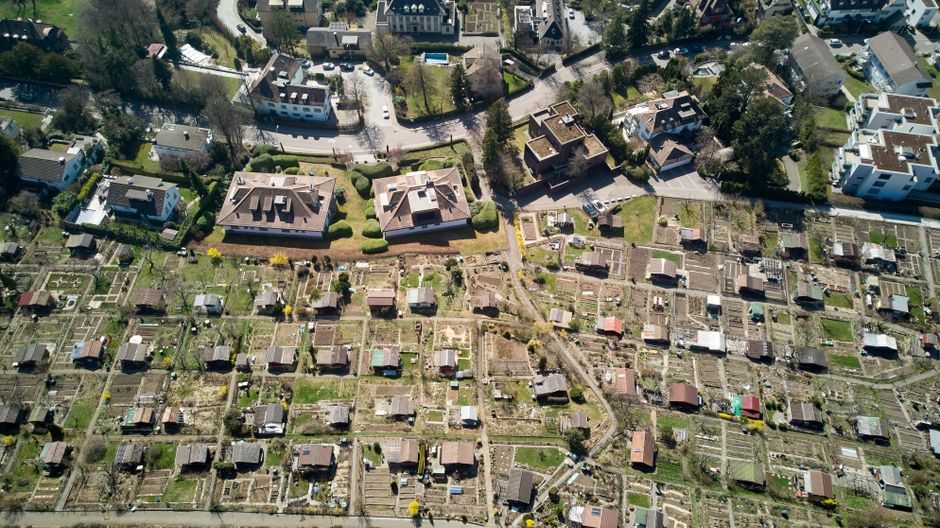
Hackney Wick allotment gardeners advice for community plots
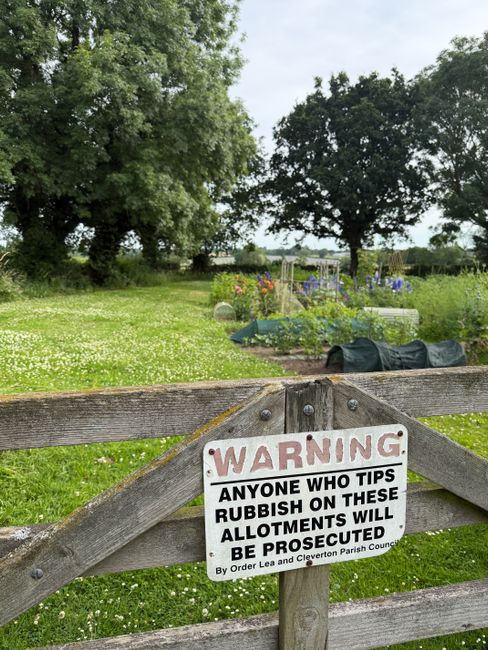
If you're looking for Hackney Wick allotment gardeners advice for community plots, chances are you want something practical, local, and actually useful on the ground. Not theory. Not a glossy "grow your own" fantasy. Real advice for shared plots where people need to get along, crops need to survive, and space is always tighter than you'd like.
Community plots can be brilliant. They can also be a bit messy, with half-finished beds, mystery weeds, and that familiar moment where everyone swears they watered "just yesterday." The good news? A well-run plot can become one of the most rewarding green spaces in east London. In this guide, you'll find how community allotments work, what makes them thrive, the mistakes that trip people up, and the everyday decisions that save time, money, and a few headaches.
We'll keep it grounded. You'll get a clear step-by-step approach, a simple checklist, a comparison table, and answers to the questions people actually ask before joining or improving a shared plot. Let's get into it.
Why Hackney Wick allotment gardeners advice for community plots Matters
Community plots are different from private gardens in one major way: every choice has to work for more than one person. That sounds obvious, but in practice it changes everything. A planting layout that suits one enthusiastic gardener may be awkward for the next volunteer who has to water it on a Wednesday evening after work. A compost area that feels neat to one person may be a nuisance if it blocks access or attracts pests.
Good advice matters because shared spaces depend on consistency. One person can improvise in a back garden. A community plot needs shared routines, clear expectations, and a bit of diplomacy. In Hackney Wick, where gardens and plots often sit close to homes, paths, railings, and neighbouring land, the practical details matter even more. Noise, storage, tidy edges, water use, and access all become part of the experience.
There's also the social side. Community gardening is supposed to bring people together, but it can become frustrating if jobs are unclear or if one or two people end up doing everything. That's usually where plots start to decline. A little structure goes a long way. Truth be told, most allotments don't need a dramatic rescue plan; they need a rhythm.
Advice tailored to shared plots helps in a few specific ways:
- It prevents avoidable conflict over watering, harvesting, and maintenance.
- It keeps the plot productive through the seasons.
- It helps volunteers with different levels of gardening experience contribute well.
- It reduces waste, trip hazards, and overgrown areas.
- It supports a calmer, more welcoming space for local people.
And if you're wondering whether that sounds a bit formal for a community garden, it doesn't need to be. Sometimes the best system is simply a whiteboard, a WhatsApp group, and a decent habit of putting tools back where they belong. Small things, but they add up.
How Hackney Wick allotment gardeners advice for community plots Works
At its core, advice for community plots is about balancing three things: land, people, and time. The plot itself may include raised beds, open soil, fruit bushes, a shed, compost bays, paths, or shared seating. The gardeners may include long-term members, weekend volunteers, school groups, neighbours, or people who only have an hour to spare. Time is the constraint that shapes everything.
A community plot works best when jobs are split into regular tasks and seasonal projects. Regular tasks are the unglamorous ones: watering, weeding, collecting windblown litter, checking access, and keeping tools in order. Seasonal work includes clearing beds, planting, pruning, and preparing compost. That split keeps the plot from falling into the "we'll sort it later" trap. Later has a funny habit of becoming August, and by then the bindweed has won.
In practical terms, a well-run plot usually follows a simple cycle:
- Assess what is already there and what needs attention.
- Decide which areas are shared, assigned, or left for open use.
- Agree how watering, harvesting, and storage will be handled.
- Set a light but clear schedule for maintenance.
- Review the system regularly and adjust after the season changes.
The best part is that this doesn't have to be complicated. A strong community plot is rarely built on perfection. It's built on repeatable habits and a bit of patience. You'll notice the difference quickly once people know where things go and what they're expected to do.
If your plot links into wider outdoor upkeep, it can help to think in terms of the broader space, not just the beds themselves. For example, a tidy perimeter, sensible access paths, and reliable ongoing care matter just as much as the crops. In some cases, support from a wider garden maintenance service can help keep the surrounding area under control while the community plot focuses on planting and harvest.
Key Benefits and Practical Advantages
People usually join a community plot for the obvious reasons: fresh produce, outdoor time, and a bit of headspace. All fair enough. But the deeper value often shows up later, once the plot settles into a working rhythm.
1. Better use of limited space
Shared plots can squeeze more out of a small area than private gardens often do. When people coordinate planting, one bed might hold quick crops like salad leaves, another can carry longer growers such as kale or courgettes, and a border can support pollinator-friendly plants. That mix keeps the plot productive without overcomplicating it.
2. Shared labour makes bigger jobs manageable
Some tasks are just too much for one person after a workday. Clearing a neglected bed, moving compost, or trimming back overgrowth becomes much easier when several hands are involved. It's simple maths, really.
3. More resilience through different skill levels
One person might be great at seed sowing, another at composting, another at tool organisation. A community plot benefits from that mix. The plot becomes less dependent on one "expert" and more stable if someone is away.
4. Stronger community connections
Shared growing spaces naturally create conversation. People swap advice, seedlings, spare canes, and sometimes courgettes they don't want to talk about anymore. That sense of shared ownership is one of the plot's real strengths.
5. Better learning and less waste
New gardeners learn faster when they can ask questions and see how others do things. Meanwhile, a shared system can reduce waste because tools are reused, compost is managed properly, and planting decisions are made with the whole site in mind.
Expert summary: Community plots succeed when the growing plan is simple, the responsibilities are visible, and the site stays easy to maintain. If a task is hard to understand, it usually won't get done consistently.
Who This Is For and When It Makes Sense
This kind of advice is useful for a few different people, and not all of them are "gardeners" in the classic sense.
- First-time allotment volunteers who want to help without feeling out of their depth.
- Plot coordinators who need a fair way to organise tasks and keep people engaged.
- Community groups looking to turn an underused patch into something useful and welcoming.
- Local residents who share a plot with neighbours and want less friction, more growing.
- Experienced gardeners who are used to private spaces but now need to adapt to shared rules.
It makes sense when the plot has regular users, mixed experience levels, or a history of uneven upkeep. It also makes sense when the site has practical limits: not enough water points, not enough storage, or simply not enough time. That's often the reality, and there's no shame in saying so.
Here's a useful rule of thumb. If people keep asking the same questions - who watered, who harvested, who moved the tools, who is cutting back the brambles - then the plot needs better systems, not more enthusiasm. Enthusiasm helps, but organisation keeps the thing alive.
And yes, there will be moments when someone says they "meant to do it" and then the beans have bolted. Happens to the best of us.
Step-by-Step Guidance
If you're starting from scratch or trying to improve a struggling community plot, the cleanest way forward is to work in stages. Don't try to fix everything in one weekend unless you enjoy aching shoulders and slightly chaotic meetings.
Step 1: Walk the site properly
Before planting anything new, walk the whole plot and note what you can actually see. Look at light, shade, drainage, soil condition, access, and any areas that get muddy after rain. In late afternoon light, it's often easier to spot where growth is crowded or where paths are becoming narrow.
Step 2: Separate the plot into zones
Group the site into zones such as growing beds, compost, storage, paths, seating, and border planting. Even a rough map helps everyone understand where things belong. This prevents the classic community-garden problem of "temporary" piles becoming permanent.
Step 3: Agree on responsibilities
Assign regular jobs. You do not need a hundred rules. Start with the basics:
- watering rota
- tool return routine
- harvest-sharing approach
- weed and debris check
- seasonal cut-back dates
Keep responsibility visible. A whiteboard, clipboard, or pinned schedule works better than memory alone. Memory is charming, but not reliable.
Step 4: Choose low-drama crops first
For a shared site, begin with crops that are straightforward and easy to divide. Leafy greens, herbs, salad crops, courgettes, beans, and some soft fruit can work well if everyone understands the picking plan. Leave the more demanding experiments for later, once the group has a rhythm.
Step 5: Build in maintenance, not just planting
Planting is the fun bit. Maintenance is the bit that decides whether the plot still looks good in six weeks. Build in time for mulching, watering, weeding, and checking supports. If there's a hedge edge or boundary line that tends to get scruffy, that should be part of the plan too. Wider site care can also be supported through services such as hedge trimming or garden clearance where appropriate.
Step 6: Review after the first month
At the end of a month, ask what is working and what is not. Are people turning up? Is watering happening? Are beds being used the way you expected? Small corrections made early are much easier than trying to rescue a tired plot later in the season.
Expert Tips for Better Results
The best community plots usually look calm because someone has done the unglamorous thinking. Here are the habits that make the biggest difference.
Keep the layout boring in a good way
That sounds rude, but it's meant kindly. Straightforward layouts are easier to maintain. Clear paths, obvious bed edges, labelled sections, and tidy storage reduce confusion. Fancy designs can be lovely, but if they create bottlenecks, they become a burden.
Use visible labels and signs
Labels help with crops, seed trays, compost rules, and "do not pick yet" areas. They also help visitors and new volunteers feel included instead of awkwardly hovering. A plot feels more welcoming when people can tell what's going on without asking three times.
Design for absences
People go on holiday. People get ill. Life happens. A resilient plot should still function when one or two volunteers are away. That means using hardy planting, sharing the load, and avoiding systems that only one person understands.
Prioritise water efficiency
In shared plots, watering can become messy very quickly. Water early or late in the day to reduce loss through evaporation, and use mulch where it makes sense to help soil hold moisture. Group plants with similar needs together so you're not overwatering one bed and under-watering another.
Plan for harvest fairness
It's surprisingly easy for disagreements to arise over who picks what. Agree early whether crops are shared equally, split by contribution, or harvested communally on specific days. Fairness matters more than strict mathematics, to be honest. People can usually accept almost any rule if it is clear and consistent.
Keep compost simple
Compost can be brilliant or baffling. The easiest approach is to keep a clear "green" and "brown" balance, avoid obvious contaminants, and make sure everyone knows what should not go in. If the compost smells sour or looks waterlogged, it needs attention, not another hopeful layer of grass cuttings.
Respect the edges
On urban plots, the boundary matters. A neat edge helps the whole site feel cared for and avoids the creeping look of "someone should really deal with that." If the outer areas are overgrown, occasional support from broader landscaping work may be more practical than expecting volunteers to handle everything alone. For wider improvements, some groups look at landscape gardening or landscaping when the site needs more than simple planting.
Common Mistakes to Avoid
Shared plots usually fail for ordinary reasons, not dramatic ones. The trouble starts when small issues are ignored.
- No clear rota: If nobody knows who is doing what, the same jobs get missed.
- Overplanting on day one: Big ambition, small follow-through. It's a common mismatch.
- Choosing difficult crops too early: Some vegetables need too much attention for a loosely organised group.
- Letting weeds establish in pathways: Once paths get scruffy, the whole site feels less cared for.
- Ignoring storage problems: Tools left out in the rain become everybody's problem.
- Not agreeing harvest rules: Surprise picking can cause more friction than most people expect.
- Trying to do everything by committee: Long meetings and simple jobs do not always mix well.
One mistake I see often is confusing enthusiasm with capacity. A plot can be full of good people and still fail if the tasks are too big or unclear. Better to do a few things consistently than try to build a mini farm in a fortnight. Romantic, maybe. Sustainable? Not always.
Tools, Resources and Recommendations
You don't need an expensive setup for a good community plot. In fact, simpler is usually better. The goal is reliable tools, easy storage, and gear that several people can use safely.
Useful basics
- spades and border forks
- hand trowels and hand forks
- watering cans or hose access where available
- gloves in a few sizes
- secateurs for light pruning
- labels and marker pens
- barrow or trug for moving debris
Helpful site supports
For a community plot, some support jobs may fall outside gardening itself. Regular mowing of surrounding grass, proper waste handling, and seasonal tidying can all make the site easier to manage. Depending on the space, a mix of lawn mowing, garden maintenance, and recycling and sustainability practices can help keep things orderly and less wasteful.
Good habits for shared equipment
- label tools that tend to go walkabout
- store sharp tools safely out of children's reach
- clean mud off after use
- check handles and heads regularly
- avoid buying duplicates until you know what is actually needed
If you're comparing service support, wider site help, or ongoing care, a simple overview such as the services overview can be useful for understanding what type of help fits the plot's needs. And if you want to speak with someone about a particular space, the contact us page is the place to start.
Law, Compliance, Standards, or Best Practice
Community plots are not usually heavily regulated in the way commercial sites are, but that doesn't mean anything goes. A sensible plot still needs good housekeeping, safe use of tools, and respect for neighbours, shared access, and any local site rules.
In the UK, the main practical areas to think about are health and safety, general duty of care, and sensible risk reduction. That means keeping walkways clear, storing equipment responsibly, and making sure volunteers understand basic safe practices. If someone is using ladders, sharp tools, or heavy materials, the site should have a sensible process rather than a shrug and good intentions.
It also helps to have a simple internal policy for:
- tool borrowing and return
- child supervision, where relevant
- safe handling of compost, debris, and heavy bags
- reporting broken equipment or hazards
- access arrangements for volunteers with different mobility needs
If your plot shares boundaries with hedges, trees, or structures, do not ignore them. Overgrown edges can create access issues, block light, or make maintenance awkward. Where work is more substantial, professional support may be safer and more efficient than asking volunteers to improvise. It's also worth checking any site-specific rules before pruning, removing, or altering shared features. A little caution here saves a lot of awkward conversation later.
For teams that want to show they take this seriously, looking at a clear health and safety policy or the details in insurance and safety guidance can be useful. The point isn't to be bureaucratic. The point is to keep people safe and the plot usable.
If the group handles payments, deposits, or donations, keep those processes separate from the garden itself and make them transparent. Shared money can be touchy. Best not to let it get weird.
Options, Methods, or Comparison Table
Different community plots run in different ways. The right method depends on the number of volunteers, the amount of time available, and how formal the group wants to be. Here's a straightforward comparison.
| Approach | Best for | Strengths | Limitations |
|---|---|---|---|
| Loose volunteer rotation | Small, informal groups | Easy to start, low admin, friendly atmosphere | Can become inconsistent if people forget tasks |
| Assigned bed ownership | Mixed-experience gardeners | Clear accountability, easier personal motivation | Can reduce the feeling of shared use if not managed well |
| Fully shared beds | Community-led groups with regular attendance | Strong collective identity, flexible use of space | Needs clearer rules for watering and harvesting |
| Seasonal project model | Groups with changing volunteer availability | Good for schools, neighbourhood groups, and events | Less continuity unless records are kept |
For many Hackney Wick plots, a hybrid model works best. Shared core areas, a few personally tended beds, and a simple rota for maintenance can give the best balance. That way nobody feels shut out, but the whole thing still has structure.
Case Study or Real-World Example
Here's a realistic example from the kind of situation many local community plots face.
A small group inherits a patch that has good light but tired soil, uneven borders, and a collection of tools in slightly random places. At first, everyone is enthusiastic. The first weekend is full of clearing, a bit of tea, some plans for tomatoes, and a lot of optimism. Then the first dry spell arrives. Watering becomes patchy. One person assumes someone else is doing the compost. Another person thinks the beans are a shared crop, while someone else thought they were for a school session later in the month.
It's not a disaster. But it starts to wobble.
The group resets with a few simple changes: a bed map, a basic rota, a shared harvesting rule, and a monthly tidy-up session. They stop trying to grow everything. Instead, they focus on a smaller number of reliable crops, improve the edges, and keep tools in one place. The plot becomes easier to understand, and attendance improves because people feel confident turning up and knowing what to do.
That's the real lesson. The plot didn't need a miracle. It needed clarity. Once the system made sense, the gardening became the enjoyable part again. Which is how it should be, frankly.
Practical Checklist
Use this checklist before the season starts, or whenever the plot begins to drift.
- Walk the site and note problem areas.
- Confirm who is responsible for watering, tidying, and tool storage.
- Check paths, borders, and access points for trip hazards.
- Agree how harvests will be shared or allocated.
- Label beds, compost areas, and storage spots.
- Choose crops that match the group's time and experience.
- Review soil condition and mulch where useful.
- Look over tools for safety and usability.
- Clear any debris, broken items, or old plant material.
- Set a date for the next review, not "sometime soon."
If the plot has become cluttered, a combination of garden clearance and ongoing garden maintenance can make a huge difference. Sometimes a fresh start is the most practical move. Not glamorous, but effective.
Conclusion
Hackney Wick allotment gardeners advice for community plots really comes down to this: keep it simple, keep it shared, and keep it consistent. The best plots are not the ones with the fanciest ideas. They're the ones where people know what needs doing, where things belong, and how to work together without friction.
That might mean better structure, lighter planting plans, or just a more honest approach to what the group can manage. It might mean bringing in support for the edges, the hedges, or the seasonal clear-up. It might simply mean one person finally writing the rota down instead of promising to remember it. Small wins. That's the game.
When a community plot is working properly, you feel it straight away. The paths are easier to walk, the beds look cared for, and there's a quiet, ordinary satisfaction in seeing people use the space well. That's worth protecting.
Get a free quote today and see how much you can save.
And if you're ready to make the plot easier to manage, start with the part that feels most awkward and fix that first. Usually, that's where the real progress begins.
Frequently Asked Questions
What makes Hackney Wick allotment gardeners advice for community plots different from private garden advice?
Community plots need shared decision-making, fair access, and routines that work for multiple people. Private garden advice can be more personal and flexible, while community plots need clarity and consistency.
How do you keep a shared plot fair when different people contribute different amounts of time?
Set expectations early. Some groups share produce equally, some split by contribution, and some assign certain beds to individuals. The main thing is to agree the system before conflict starts.
What crops work best in a community allotment setting?
Reliable crops that are easy to manage tend to work best, such as salad leaves, beans, herbs, courgettes, and some fruit. The best choice depends on how often the group can water and maintain the beds.
How often should a community plot be maintained?
Most plots need a light touch regularly, plus a deeper tidy-up every so often. Weekly or fortnightly check-ins are common, but the right rhythm depends on the size of the plot and the number of volunteers.
What should you do if weeds are taking over a shared plot?
Start with a priority area rather than trying to clear everything at once. Focus on paths, bed edges, and the most productive spaces first. If it is badly overgrown, a more substantial clearance may be needed before routine care can work.
Do community plots need formal rules?
Not always formal in the legal sense, but they do need clear house rules. Simple written guidance about watering, harvesting, tool use, storage, and site access helps avoid confusion and keeps things fair.
How can a community plot avoid tool loss or damage?
Keep tools in a single storage point where possible, label them, and make it clear who is responsible for returning them. A basic sign-in system can help if the group is larger or more active.
What are the biggest mistakes new allotment groups make?
The biggest mistakes are usually overplanning, under-maintaining, and not agreeing responsibilities early enough. Another common issue is trying to plant too much before the site is ready.
When should you bring in professional help for a community plot?
If the site has significant overgrowth, unsafe edges, difficult access, or work that is too big for volunteers to handle safely, it may be sensible to bring in professional support. That can save time and reduce risk.
How do you keep a community plot welcoming for beginners?
Use simple labels, avoid jargon, and give people small, specific tasks. Beginners usually contribute best when they can see what needs doing without feeling like they need years of experience.
Is it worth improving the edges and boundaries of a community plot?
Yes. Edges shape the whole feel of the site. Neat boundaries, trimmed growth, and clear access points make the plot easier to use and easier to maintain.
What if only a few people are doing most of the work?
That usually means the system is too vague. Reset the rota, simplify the tasks, and make responsibilities visible. If necessary, reduce the size of what the group is trying to manage until it becomes realistic again.